
Let’s talk about Viral Marketing. It’s something that, as digital marketers, we all aim for; it is the jackpot of online campaigns. It combines all of the ideal marketing elements – strong content, a corporate brand/message, sustained engagement, brand awareness/recall, and arguably the most important of the lot, customer involvement an co-creation.
But to achieve a viral campaign, we must first understand how viral contents work, and why a post gathers viral attention.
Firstly, there are two types of viral marketing techniques – passive and active. The two both have their similarities, where they rely on the sharing of content on social media, however are different because of the required action of the viewer. Passive content is simply seen by an audience, and is useful in terms of brand awareness, whereas active content requires an action from the audience, whether this be a share, a ‘like’ or a comment.
We must also consider how content goes viral. It would be easy to say that it must be engaging, but that just simply isn’t enough in today’s digital age. We need to evoke triggers that call upon a response from our desired audience. There are 6 primary triggers – Emotions, Value, People, Relevance, Convenience, and Attention.
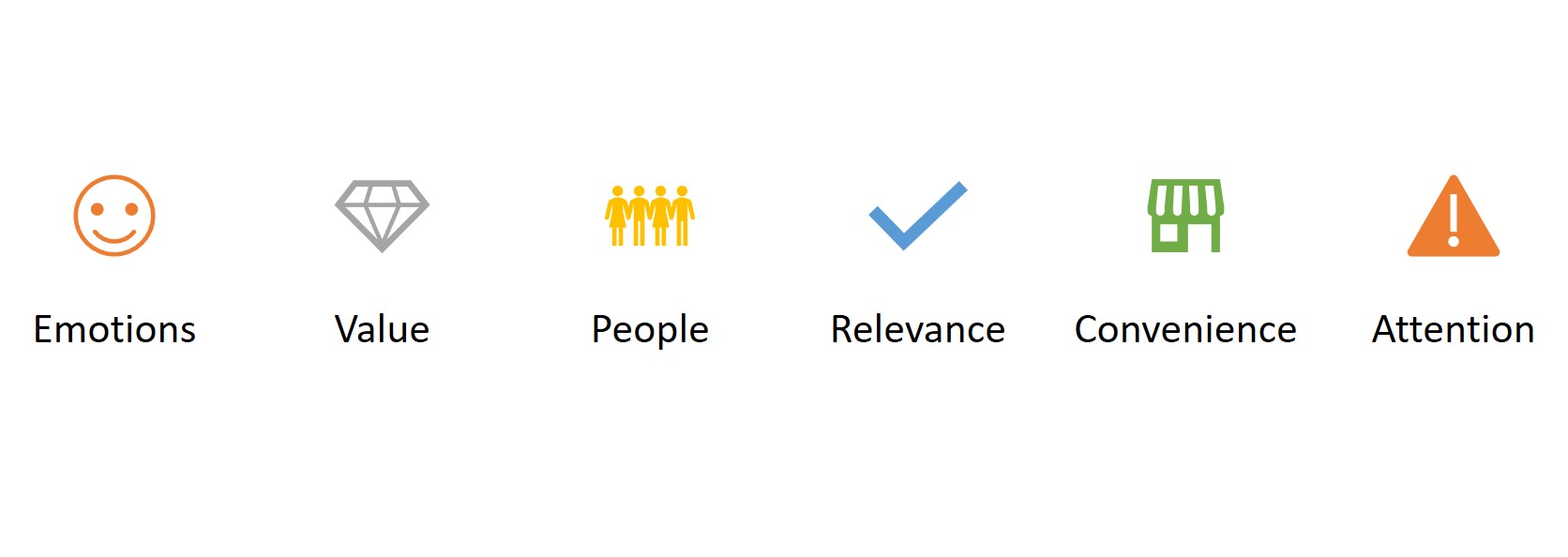
These triggers entice our audience into engaging with branded content. Through these triggers, brands aim to position their brand to be as accessible as possible, so that consumers are naturally drawn to the brand when looking to make a decision. Triggers are used to draw out a response towards a campaign.

So, we’ve briefly discussed what is viral marketing and how to go viral through marketing efforts. Let’s get into the why. Marketing content goes viral for a number of different reasons, but we’re just going to look into the primary causes. The majority of viral content goes viral for one of three reasons according to an Ipsos study in 2013. Content is either interesting, important, or humorous.
Audiences associate their online social presence as part of their identity, and what they share to their personal profiles are an extension of their persona. By sharing interesting, important or humerous posts, they want to brand themselves as just that.
Viral content always have to resonate with the audience however. Sometimes, campaigns must simply generate discussion. Now we can look at this in different ways; we have our controversial posts that gain viral status for all the wrong reasons, or we can spotlight viral positive controversies. Nike is an incredible example of a brand that reverses controversy to its advantage. Whether it be it’s “Believe in Something” campaign, which highlighted the social justice movement initiated by Millenials and Gen Z-ers on the back of former NFL quarterback Colin Kaepernick kneeling in protest of the US National Anthem, or more recently, with their “Dream Further” advertisement, which encapsulated the world prior to the Women’s World Cup, piggybacking off the back of the gender equality movement.
Off the back of the “Believe in Something” campaign, Nike recorded a US$6 billion revenue in the months following the ad, and it’s call to “Dream Further” has inspired a generation of young sportswomen.
Marketing content often goes viral for all the wrong reasons. But it is such a powerful tool that brands can use to generate conversation, to raise awareness, and most importantly, to inspire and empower towards a common goal.
 Let's Get Digital
amazing write up mate!
LikeLike
Great post Josh! Nike have done a really good job at dealing with controversy in a positive way
LikeLike
Awesome blog this week! Liked how you linked those two videos back to your topic. Made it very engaging 🙂
LikeLike
Great blog post! Love the example with Nike, amazing how powerful the campaigns were but also how much it helped their profit!
LikeLike
Very interesting read, it is interesting how quickly something can go viral
LikeLike
Great examples of positive viral campaigns! Whilst there’s plenty of positive sentiment for these campaigns, I wonder how much of this translates across to consumer’s sentiments about the brand overall.
LikeLike